
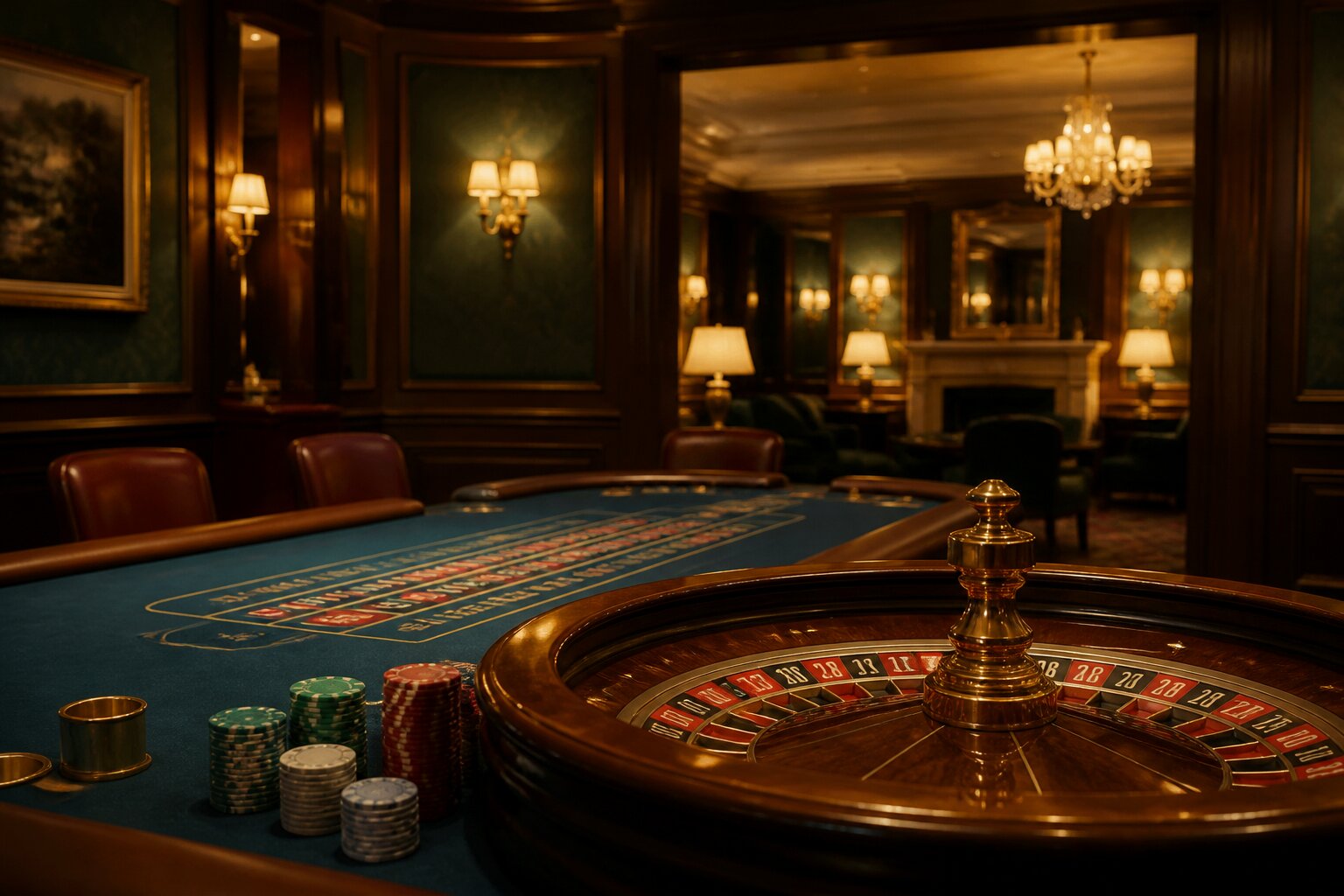
Imagine a Britain where gambling was hidden away in back rooms and exclusive clubs. Now picture the doors of an elegant Mayfair building opening in 1961, inviting the public to experience legal casino gaming for the first time. This moment didn’t just alter high society’s nightlife; it sparked a wider conversation about entertainment, regulation and the place of gaming in everyday life.
What was it about that first legal casino that captured the national imagination—and what lasting effect did it have on culture and law? Was it the sight of a roulette wheel, the pull of velvet ropes and tuxedos, or simply the chance to place a bet within a regulated setting?
As Britain’s relationship with betting moved from the clandestine to the mainstream, the ripple effects reached far beyond casino walls, altering entertainment habits, the leisure economy and the way society thinks about player protection.
What Made the UK's First Legal Casino Possible?
Legal casino gaming in the UK only became possible after sustained legal reform in the late 1950s. Prior to that, most betting activities were tightly controlled and many gaming venues operated in a legal grey area. Changing public tastes and a demand for safer, regulated options pushed lawmakers to reconsider existing rules.
The decisive change came with the Betting and Gaming Act 1960, which came into force in 1961. The law allowed private members’ clubs to apply for licences to run casino-style gaming, provided they met strict conditions. These rules covered fair operation of games, age limits, and financial transparency, with takings subject to taxation.
Licenced premises were also required to adopt measures that protected patrons, including codes of conduct, measures to prevent underage play, and regular inspections by authorities. This shift from underground activity to a controlled, licenced environment made casino gaming sustainable in a new way and set standards for patron safety that would continue to evolve. The stage was now set for the first licensed venues to appear in London and beyond, introducing a new chapter in British leisure.
Where Was the First Legal Casino in the UK?
The distinction of being the UK’s first legal casino belongs to the Clermont Club, which opened in 1962 at 44 Berkeley Square in Mayfair. Housed in an elegant Georgian townhouse, it rapidly became a symbol of refined nightlife and exclusivity.
Founded by John Aspinall, the Clermont took advantage of the new licensing regime to offer games such as roulette and blackjack within a licenced, members-only environment. Its central London location and polished presentation attracted a high-profile clientele and made it a prominent example of how licenced gaming could function within the law.
The club’s success showed other entrepreneurs how to combine legal compliance with a premium social experience, encouraging the spread of licenced casinos across major cities. That expansion would reshape the leisure landscape and influence how venues balanced hospitality with regulatory requirements.
How Did Legal Casino Gaming Change UK Society?
Legal casinos shifted gaming from secretive back rooms into visible, regulated leisure venues. This change reduced some of the stigma attached to gambling and made it an accepted part of evening entertainment for a wider range of people.
The economic effects were immediate: casinos created jobs and generated tax revenue, and helped stimulate associated sectors such as hospitality and tourism. Cities with prominent venues gained a new draw for visitors, which in turn supported restaurants, hotels and nightlife businesses.
On the social side, licencing brought clearer protections for patrons: age verification, rules on fair play, and financial transparency all became standard. At the same time, public debate intensified around potential harms and social impact. That discussion prompted further legislative responses later in the decade and established the expectation that operators and regulators should work to protect players while allowing lawful entertainment.
These shifts in society and policy would be influential as the next sections explore the Clermont Club’s opening night and the people behind it.
The Casino’s Early Days
The Clermont Club’s opening captured the mood of early 1960s London, combining curiosity about a new legal pastime with a taste for formality and glamour. The Georgian townhouse was transformed into a scene of polite excitement, where gaming sat alongside dining and conversation.
On opening night, guests arrived in formal attire and were welcomed into rooms where roulette and card games were played under careful supervision. The atmosphere mixed celebration with an emphasis on propriety: staff ensured the club ran within the conditions of its licence, and the décor and service positioned the venue as more than a place to play—it was a social destination.
What Was the Opening Night Like?
The 1962 opening night felt like a society event. Guests mingled under soft lighting while chips changed hands at the tables. Coverage in the press emphasised the club’s style and the novelty of licenced gaming, noting how the evening combined ritual, hospitality and the new legitimacy of casino play.
The presentation mattered: clear rules for entry, attentive staff and a controlled ambience reassured patrons that this was a regulated venue rather than an underground operation. The tone set on that night influenced how other clubs approached their openings and public image.
Who Were the First Visitors?
Early visitors were drawn from Britain’s social and financial elite. Members included high-profile figures from business, politics and the arts, and their presence quickly made the Clermont a notable meeting place as well as a gaming venue. This mix of clientele helped establish the club’s reputation and encouraged others to see licenced casinos as fitting parts of social life.
Those early membership lists gave the venue instant credibility, helping to normalise licenced gaming within fashionable circles and beyond. The club’s prominence also focused attention on how such establishments should be managed and regulated in future.
Key Figures Behind the First Legal Casino
John Aspinall was central to the Clermont Club’s creation. His experience running social gaming gatherings, paired with a keen sense for hospitality, made him an obvious figure to launch a licenced club when the law permitted it. Aspinall placed a strong emphasis on operating within regulatory requirements and on creating a professional, controlled environment.
He was supported by investors and backers from high society whose names and connections helped the club attract members and navigate the practicalities of licencing. Together they prioritised transparent financial practices, strict admission rules and attention to fair game operation—elements that reassured regulators and the public alike.
The approach of these founders demonstrated an early model for combining exclusive social spaces with regulatory compliance, a model that informed later developments in the casino sector. Their methods also fed into wider conversations about how operators and authorities should share responsibility for patron welfare.
This background explains why media coverage and public response followed the opening so closely, which the next section examines.
Public Perception and Media Coverage
The Clermont Club’s launch drew significant media attention. National newspapers reported on the opening as a milestone for London’s social scene, often highlighting the club’s setting and its notable patrons. Broadcast outlets reflected a mix of curiosity and cautious approval, focusing on the novelty of licenced gaming and the safeguards put in place.
Public reaction was varied. Many welcomed the idea of regulated venues that replaced hidden gambling rooms, seeing licencing as a route to greater transparency and safety. Others, including some social campaigners, raised concerns about broader access and the social consequences of more visible gaming. Those debates were prominent in letters pages and opinion columns, helping to frame later policy responses.
Coverage emphasised both spectacle and substance: the glamour of Mayfair nights alongside questions about oversight and social impact. That combination kept the story in the public eye and pushed policymakers to refine rules governing the sector.
Influence on British Entertainment and Nightlife
The Clermont Club helped redefine what a night out could include. By combining gaming with dining and live entertainment in an upmarket environment, the club encouraged venues to think beyond single-purpose spaces. The idea that a casino could be a place to socialise, meet contacts and enjoy an evening’s entertainment gained traction, and other establishments adopted similar models.
This trend prompted improvements in service standards across hospitality and leisure, and boosted employment in related fields. Clubs aimed to offer a complete experience—music, food and gaming in one place—which in turn attracted a broader clientele and supported a richer night-time economy.
At the same time, operators recognised the need to maintain controlled environments that protected patrons and preserved public confidence. That balancing act between entertainment and oversight would shape how leisure venues developed over the following decades.
How Did the Casino Shape Gambling Laws and Attitudes?
The Clermont Club’s prominence exposed areas where regulation needed strengthening. Rapid growth in licenced clubs prompted concerns about consistency in oversight and the potential for harm, leading to further legislative action in the late 1960s.
The Gaming Act 1968 responded by creating a dedicated oversight body and introducing tougher licensing conditions. Measures included more rigorous checks on operators, stricter record-keeping and clearer safety standards in premises. Age verification and limits on certain kinds of promotion became established practices, helping to protect vulnerable people and reduce opportunities for criminal influence.
These regulatory developments marked a shift toward a culture of accountability. The expectation that operators would run venues responsibly and that regulators would enforce standards became central to the sector’s legitimacy. That framework continued to evolve in subsequent decades, informing later legislation and regulatory practice.
The Bottom Line: The Lasting Influence of the UK’s First Casino
The opening of the Clermont Club did more than introduce legal casino gaming to Britain; it set a template for how licenced venues could operate within the law and contribute to public life. Its legacy is visible in modern licensing requirements, clear age restrictions, transparent business practices and the prioritisation of patron protection.
By demonstrating that gaming could be both a social activity and a regulated service, the Clermont Club influenced how entertainment venues are designed and managed. The standards it helped establish laid the groundwork for later regulatory bodies and the ongoing effort to balance leisure with public safety.
In the end, the story of the UK’s first legal casino is a reminder that careful regulation and thoughtful operation can transform a once-hidden pastime into an accepted part of cultural life—provided attention to oversight and patron wellbeing remains central.
**The information provided in this blog is intended for educational purposes and should not be construed as betting advice or a guarantee of success. Always gamble responsibly.