
Think you know all there is about blackjack hands? Think again. While most players concentrate on hitting 21 or beating the dealer, certain side bets add a different dimension to the game—one where suits and sequences suddenly matter.
This article explains what a straight flush means when it appears in blackjack side bets, how such hands are recognised and paid, and where they sit in the broader context of hand rankings. Read on to learn what to look for and how these features change a round without altering the core game.
What Is a Straight Flush in Blackjack?
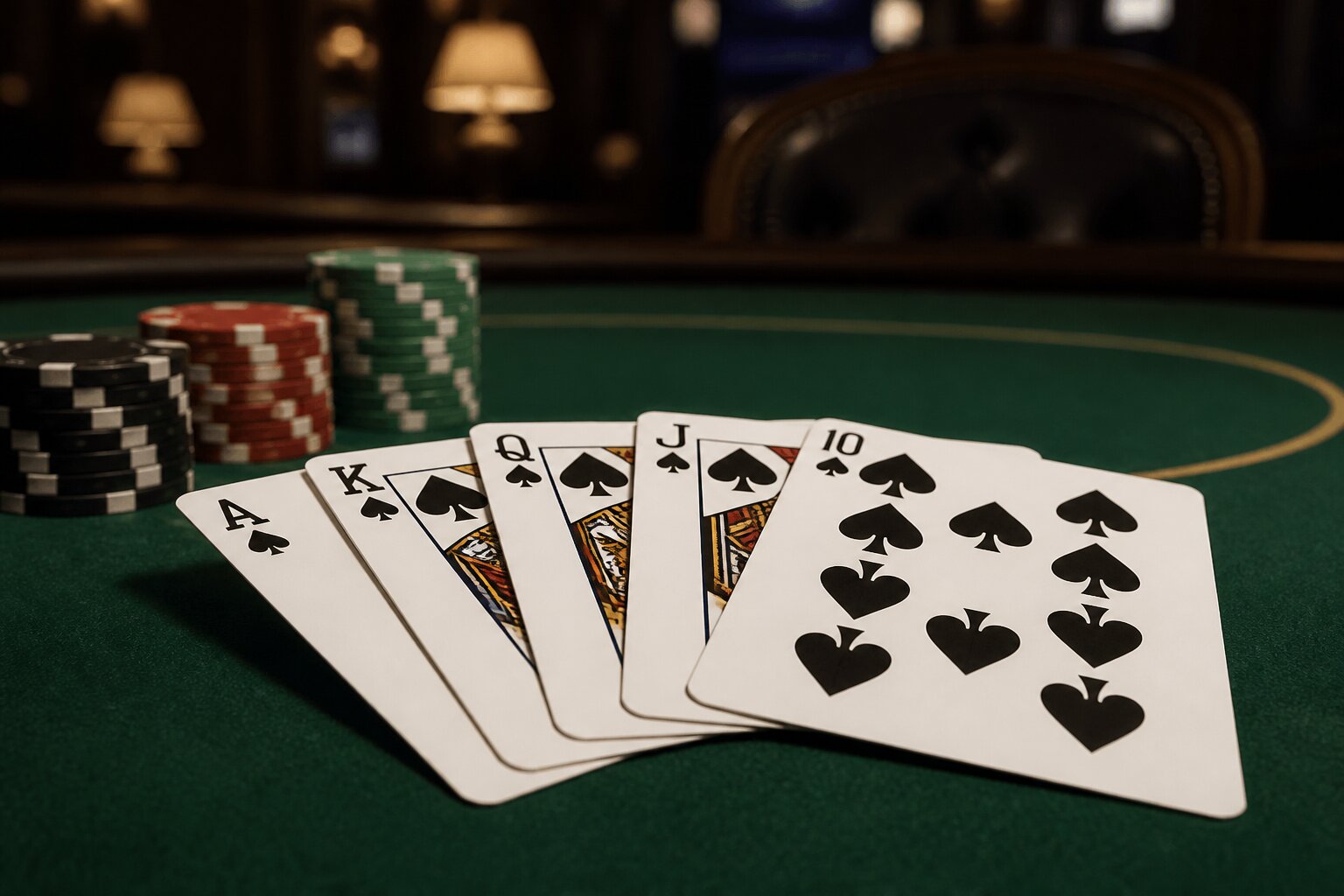
A straight flush in blackjack is not part of the classic rules; it appears only in side bets or bonus variants. In this context it means a set of cards in numerical sequence that all share the same suit. For example, 7–8–9 of hearts would qualify.
Unlike poker, where a straight flush is always five cards and ranks among the strongest hands, blackjack side bets generally check three-card combinations. These combinations are evaluated only for the optional wager—your main game still uses the familiar total-value rules where suits and sequences are irrelevant.
If a table offers payouts for a straight flush, those awards apply solely to the side bet and follow whatever conditions the paytable sets.
Are Straight Flushes Possible in Blackjack?
Not in the main game. In standard play, blackjack ignores suit and order; only card totals matter. Straight flushes become relevant when an operator introduces an extra wager that looks at card combinations.
Common formats tie your first two cards and the dealer’s upcard together to form a three-card hand, as with the popular “21+3” bet. The casino checks those three cards for poker-like patterns—straight flushes, three-of-a-kind, and the like—and pays according to the set odds. Different variants may use other criteria, but the underlying idea is the same: an optional side bet evaluates combinations that the main game does not.
Because these bonuses evaluate fewer cards and apply separate rules, they typically carry a higher house edge than the core game. Check the paytable so you know exactly which cards count and how they pay.
Rules for Recognising a Straight Flush Hand
When a side bet checks for a straight flush, the usual requirements are simple and consistent across many implementations:
- Matching suit: every card in the qualifying hand must be of the same suit.
- Consecutive order: the cards must form an uninterrupted sequence, such as 5–6–7.
- Card limit: most side bets assess only the initial three-card grouping—typically your two cards plus the dealer’s visible card.
Those points cover the vast majority of side-bet definitions, but providers can set variations. For instance, some paytables treat ace-high sequences differently, or accept only three-card straights. Always read the game’s paytable so you know the exact rule set in play.
How Do Payouts Work for a Straight Flush in Blackjack?
Payouts are determined entirely by the side bet’s paytable. A straight flush is usually one of the more valuable outcomes and commonly pays in the tens of times your side-wager stake, often around 30:1 to 40:1 in standard implementations. Some premium or promotional variants may offer higher figures.
The important point is that only the side-bet stake is eligible for these payouts—your main blackjack wager is unaffected. That separation means you can win a side-bet prize while simultaneously winning, losing, or pushing the main hand. Because of the higher payouts, these bets are attractive but also come with increased volatility compared with normal play.
Hand Rankings: Where Does the Straight Flush Stand?
In regular blackjack, ranking is all about totals: a natural blackjack (an ace with a 10-point card dealt as the first two cards) is treated as the top result, then other hands are judged by closeness to 21 without exceeding it. Combinations such as straights or flushes have no bearing on the standard outcome.
When side bets are introduced, hand rankings borrow from poker-style hierarchy for the small grouping they check. A typical three-card ranking used by many side bets places a straight flush high among the paid outcomes, above three-of-a-kind and regular straights or flushes. That hierarchy only matters for the side bet; it does not change how the main hand resolves.
Comparing how each game treats hands helps make the distinction clear: poker values combinations regardless of totals, blackjack values numeric totals regardless of suit. Side bets sit between those systems by applying combination-based rankings to a limited number of cards.
Are Straight Flushes a Myth in Blackjack?
Not a myth, but not part of the core game either. The confusion comes from cross-over language: poker terms are used in blackjack side bets, producing the impression that poker-style hands are part of every blackjack round. In reality, unless you place an additional wager that explicitly checks for combinations, straight flushes have no role in gameplay.
When you do play those side bets, the casino evaluates only the designated cards and follows the specific paytable for any payouts. These side bets are separate from your main blackjack wager, and their rules, qualifying hands and payouts can vary widely between casinos and tables. Always check the local paytable and house rules before placing a side bet so you understand exactly which cards are considered and what the prizes are.
Remember that side bets are optional and typically carry a higher house edge than the main game, so treat them as separate, standalone stakes. Only wager what you can afford and read the terms and conditions for each side bet before playing.
Which Blackjack Game Variations Feature Straight Flushes?
Look to side-bet variants and bonus rounds to find straight-flush payouts. The most familiar example is the “21+3” bet, which evaluates your first two cards plus the dealer’s upcard and pays for several poker-style combinations. Other side bets—sometimes called things like “Lucky Lucky” or “Royal Match” by different providers—offer similar rewards for suited sequences or matched cards.
Each variant packages the combinations and payouts differently, so a straight flush on one table might be treated or paid slightly differently on another. That makes it worth scanning the paytable before you opt into any side-bet feature.
If you prefer to keep things simple, you can play only the main game and ignore side bets entirely; they are always optional.
Common Questions About Straight Flushes in Blackjack
Straight flushes raise a few regular questions, so here are direct answers to the ones players ask most often.
Can I get a straight flush in classic blackjack?
No. Classic blackjack does not recognise suits or sequences; it only compares hand totals to the dealer’s. A straight flush is relevant only when a side bet or variant introduces a separate evaluation of specific cards.
Do all casinos offer side bets with straight flush payouts?
No. Side-bet options vary by venue and by online provider. Some tables offer “21+3” or similar wagers; others do not. Check the available bets at the table you choose.
Are payouts for straight flush side bets the same everywhere?
They can differ. Payouts depend on the game’s paytable and operator choices. Always review the paytable for the exact odds and prize levels before placing the side bet.
Should I always play side bets for a chance at a straight flush?
Side bets increase variance and are intended as optional extras rather than essentials. If you decide to try them, treat them as occasional features and keep stakes within your personal limits. That approach helps you enjoy the game while maintaining control.
Thanks for reading — if you want to explore specific side-bet paytables or compare how different variants treat straight flushes, we can look at some examples next.
**The information provided in this blog is intended for educational purposes and should not be construed as betting advice or a guarantee of success. Always gamble responsibly.