
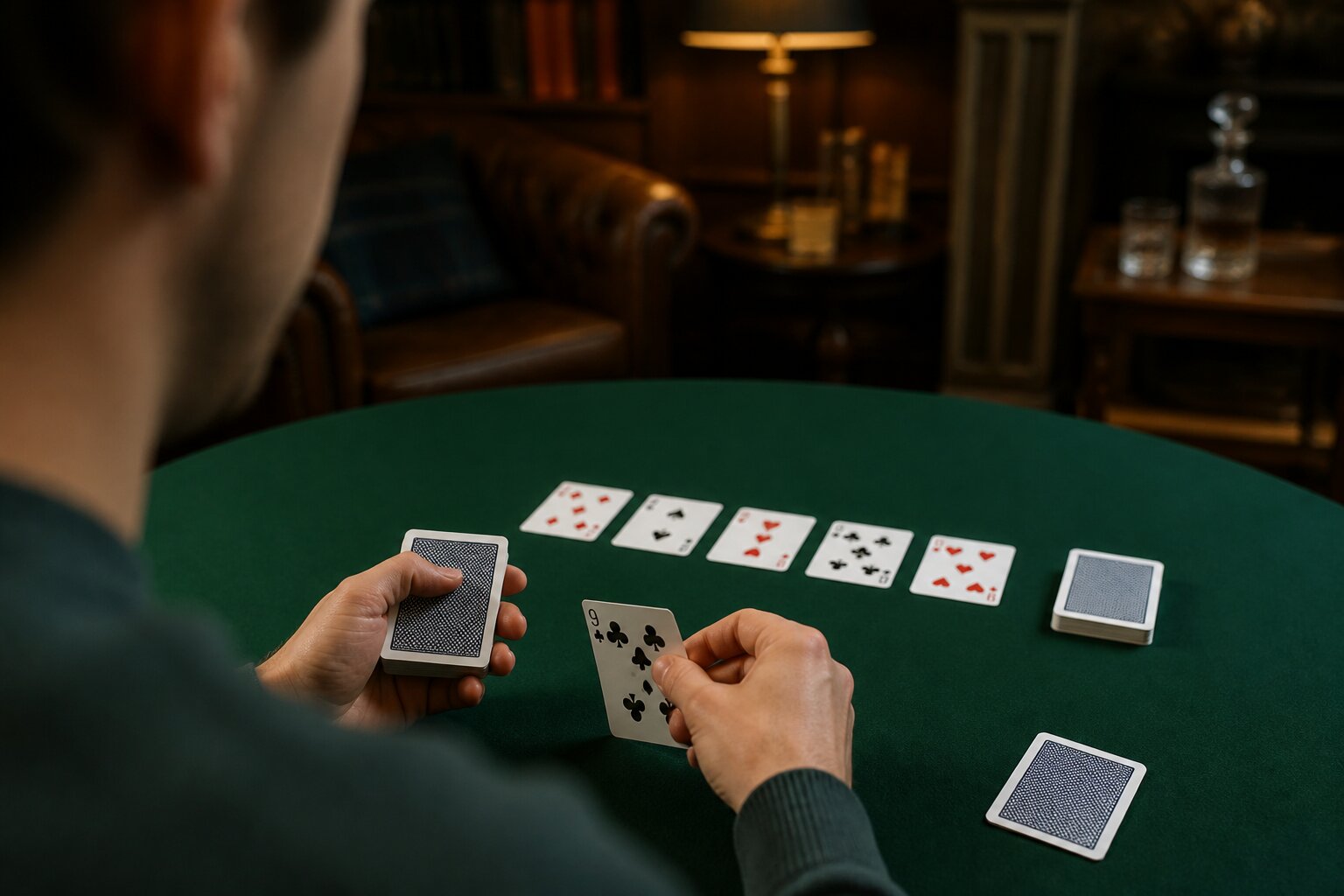
Ever wondered if you could learn card counting from the comfort of your home? With online card counting simulators you can practise the core skills behind the technique without the distractions of a real table.
These simulators let you take your time, make mistakes and gradually build speed and accuracy. Whether you want to understand the method or sharpen your concentration, a well-designed simulator is a safe, structured way to do it.
Ready to see how these tools work and what to expect from practice? The sections below explain the features, common misconceptions and how to pick a simulator that suits your goals.
What Is a Card Counting Simulator?
A card counting simulator is a web or app-based tool that reproduces the flow of cards being dealt in a game such as blackjack so you can practise keeping a running count. Instead of wagering, the focus is on recognising patterns, maintaining mental tallies and adapting to varying deck sizes.
Simulators cater to different needs: some are built for beginners with hints and slower dealing, while others mimic more realistic conditions by increasing speed or using multiple decks. Many let you choose the counting system you want to learn, so you can work with the one that suits your learning style.
Used properly, a simulator is an educational resource — it helps you sharpen attention and memory within a controlled environment rather than providing a shortcut to success in real play.
How Does an Online Card Counting Simulator Work?
Simulators present cards sequentially and ask you to keep a running count according to the selected system. Cards appear on screen, you update your mental or displayed count, and the software records accuracy and response time. Settings typically let you alter the number of decks, dealing speed and whether the deck is reshuffled at particular points.
Feedback often includes accuracy percentages, average response times and a record of past sessions so you can monitor improvement. Some programs also simulate cut cards and shoe penetration to reflect how many cards are seen before a reshuffle, which is an important factor in real games.
This feedback loop—practice, immediate results, gradual adjustment—helps you refine technique without the pressure of a betting environment. If you plan to later play with stakes, bear in mind simulators cannot reproduce table distractions or rule variations you’ll encounter in different venues.
Why Practise Card Counting Online?
Practising online builds the underlying skills card counting relies on: focus, short-term memory and pattern recognition. Repetition in a simulator helps these abilities become more automatic, freeing mental capacity for other aspects of play such as basic strategy or observing dealer behaviour.
A simulator also allows you to experiment with different counting systems and deck depths without time constraints. You can explore how accuracy changes as dealing speed increases, or how multi-deck shoes affect the running count, which helps set realistic expectations about what is feasible under pressure.
Used as a mental exercise, the practice is rewarding in itself; it gives clear measures of progress and lets you set modest, trackable goals like improving accuracy or lowering reaction times.
Key Features to Look for in a Card Counting Simulator
Choosing the right simulator helps you practise more effectively. Look for a programme that is easy to control, provides meaningful feedback and offers realistic options that match the experience you want to simulate.
Good feedback should tell you where you are making mistakes and where you are improving. Clear controls let you focus on counting rather than wrestling with the interface. Realistic options mean your practice will transfer better to real situations.
Customisable Game Settings
Good simulators let you change several core parameters so you can tailor sessions to your level and goals. Typical options include:
- the number of decks in play,
- the speed of dealing,
- the counting system used.
These settings let you start slowly to learn the mechanics and then gradually increase difficulty so your skills are stretched in a manageable way. Being able to save or load presets is useful if you want to repeat specific drills.
Realistic Deck Handling and Shuffling
A simulator that models proper shuffling and realistic deck penetration gives a truer sense of how counts evolve over a session. When the software simulates genuine randomness, it avoids patterns that would not occur in real life.
Look for accurate dealing patterns and honest card distribution so practice sessions do not develop misleading habits. Small details, such as how often the dealer stops dealing into the cut card, can change the usefulness of the drill and should be represented where possible.
Common Myths About Card Counting Online
There are several persistent misunderstandings about what online practise can accomplish.
One myth is that practising alone will guarantee success at real tables. Simulators improve cognitive skills, but they cannot replicate all variables of live play such as distractions, differing house rules or dealer procedures.
Another misconception is that card counting is inherently risky just because you practised it online. Practising with a simulator is an educational activity; the risks associated with gambling stem from behaviour around betting, not from using training tools.
Finally, some assume that any card counting technique will be equally effective across all formats. In reality, effectiveness depends on game rules, deck penetration and whether software or live shuffling is used in a given setting.
Is Online Card Counting Practice Legal and Safe?
Using a simulator for personal learning or entertainment is legal in the UK, provided you are at least 18. If you later choose to play for money, make sure any gambling activity is on platforms licensed by the relevant regulator and complies with local regulations and terms of service.
Bear in mind that while card counting itself is not a criminal offence, land-based casinos and some online operators may refuse service or restrict accounts if they suspect professional advantage play. Always respect venue and platform rules when you move from practice to real play.
From a safety perspective, standalone simulators that do not require payment or personal details are generally low risk. They are a good way to learn basic techniques without exposing yourself to financial harm.
Exercise normal caution when using online tools. In particular:
- avoid untrusted sites that request unnecessary information or large permissions
- never share sensitive data, such as bank details or government ID, when you only intend to practise
Also be wary of apps or services that ask for payment or subscriptions: check reviews, verify the developer, and read the privacy policy so you know how your data will be used. If a site asks you to download executables or grant intrusive permissions, it is safer to look for an alternative.
Benefits of Improving Your Card Counting Skills Online
Practising with a simulator sharpens attention and short-term recall, skills that transfer to other mental tasks as well as to card play. Regular online practice helps you notice patterns more quickly and reduces the cognitive load when making routine calculations.
Over time you can measure factual improvements such as accuracy rates, reaction times and consistency, and tailor practice to target weak points. Using drills and adjustable settings lets you focus on specific areas, for example speed, error reduction or playing under simulated pressure.
Practising online also provides a safe, low-risk environment to experiment with different approaches and to replay hands for review. This lets you learn from mistakes without financial exposure and to build confidence in your technique.
Beyond technical gains, structured practise can make spectating or casual play more interesting because you understand how card flows affect decision-making. Many players report a clearer sense of when and why certain choices make sense, which can make observing games more engaging.
In short, the main benefits are clearer mental processes, improved measurable performance and a reliable way to track progress while practising responsibly.
Choosing the Best Card Counting Simulator for You
When selecting a simulator, match its features to your goals. If you’re new to counting, seek interfaces with explanatory prompts, adjustable speeds and clear feedback. If you want a realistic challenge, prioritise realistic shuffling, multiple deck options and minimal hints.
Also consider extras like progress tracking or exportable session data if you want to study trends over time. Finally, ensure the provider is reputable and that the tool doesn’t require unnecessary permissions or payments for basic practise.
In the next section you’ll find common practical questions answered to help you decide whether a simulator fits your needs.
Frequently Asked Questions About Online Card Counting Practice
If you’re new to simulators or weighing up their usefulness, these answers should clarify the essentials.
Is practising card counting online legal?
Yes, practising with a simulator for learning or entertainment is legal in the UK for those aged 18 and over. If you move on to wagering activities, use licensed services that meet local regulations.
Can card counting guarantee winnings in online casinos?
No. Counting practice improves certain skills but does not ensure positive outcomes. Many online platforms reshuffle frequently or use formats where counting offers little practical advantage.
Do I need to pay to use an online simulator?
Many simulators offer free basic versions; some provide advanced features behind a paywall. Choose options that match your commitment level and avoid giving personal or payment details unless you trust the provider.
Is online card counting practice safe?
Standalone simulators that don’t involve real bets are safe for learning. Use caution with sites that combine practise tools and wagering; avoid sharing sensitive information when you only want to train.
Should I use card counting simulators to improve my gambling?
Simulators are useful learning tools for understanding game mechanics and exercising mental skills. They should not be viewed as a method to secure financial gain. If you play for money, keep clear personal limits and avoid chasing losses.
This wraps up the guide: practice thoughtfully, choose a simulator that matches your aims, and use what you learn to enjoy the challenge rather than promise an outcome.
**The information provided in this blog is intended for educational purposes and should not be construed as betting advice or a guarantee of success. Always gamble responsibly.