
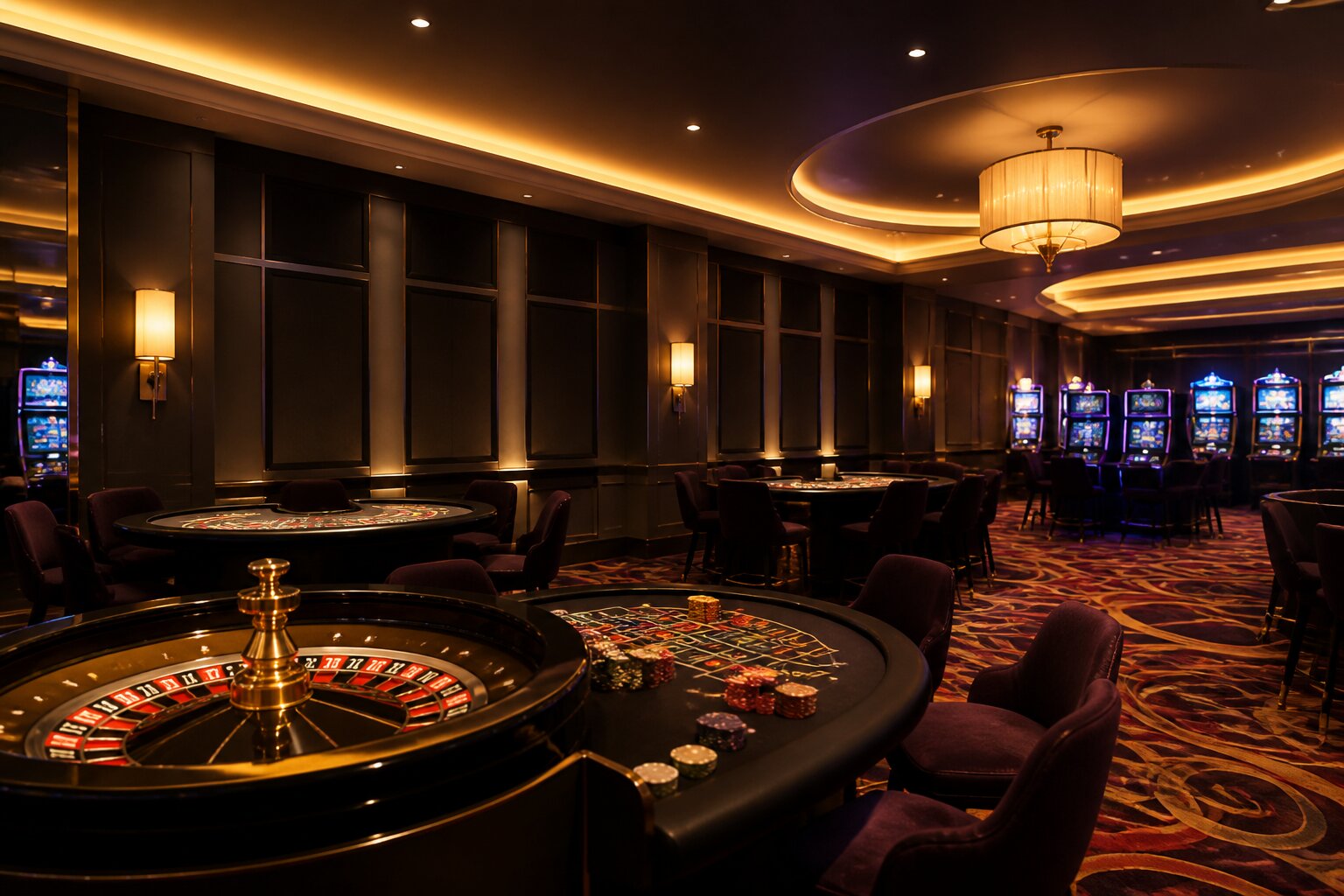
Ever wondered why casinos feel like a world of their own? You step inside, and suddenly time seems to stretch. One thing you’ll notice in nearly every casino is the lack of windows.
There’s more to this than style or practicality. Casino interiors are carefully designed with psychology, comfort and safety in mind — all to shape the overall experience. Read on to uncover how lighting, layout and sensory cues work together, and what that means for your visit.
The Psychology Behind Casino Design
Casino layouts are shaped to make a visit absorbing and enjoyable. Designers consider sightlines, sounds and scent to create a space that feels cohesive and easy to move through. Gentle lighting, comfortable seating and clear pathways encourage guests to explore rather than feel rushed.
Patterns, carpets and the placement of machines and tables guide movement subtly, helping people discover different games without feeling overwhelmed. These design choices are about atmosphere and usability: making areas comfortable, accessible and suitable for a wide range of visitors.
We also ensure venues meet regulatory standards for safety and fair play, and provide tools and information that help people stay in control of their spending and time.
If you’re curious about how atmosphere affects behaviour, the next section explains the key sensory elements and why they matter.
How Atmosphere Influences Player Behaviour
Sound and light set the emotional tone. Music can create energy in one area and calm in another; likewise, lighting highlights focal points and can make spaces feel more intimate or lively. These elements help visitors decide where to linger and where to move on.
Decor and furnishings reinforce that tone. High-quality finishes, thematic touches or comfortable lounges make the environment feel inviting, which in turn encourages people to engage more with the space. Importantly, these features do not alter the underlying odds of games; outcomes are governed by established rules and random mechanisms built into each game.
Keeping a clear sense of time and budget is advisable. Many venues offer tools such as deposit controls, play-time reminders and self-exclusion options to help customers manage their activity.
When you want to know what the layout itself contributes, the next section breaks down its practical features.
What Are the Key Features of Casino Layouts?
Layouts are planned so visitors can move between gaming areas, dining and amenities without confusion. Wide aisles, distinct zones and seating clusters reduce congestion and make the floor easier to navigate.
Carpet patterns and floor graphics are used deliberately to delineate zones and guide foot traffic. Signage points people toward services like cash desks, restrooms and exits so guests never feel lost.
Accessibility is also central: ramps, seating variety and clear sightlines ensure the environment works for different needs. These practical choices aim to enhance comfort and safety while offering an enjoyable visit.
Next, we’ll look more closely at the visual and sensory details that shape those impressions.
Visual Cues: Lighting, Colours, and Sensory Effects
Lighting schemes are tailored to each area. Softer, warmer light creates relaxed seating zones, while brighter, focussed illumination draws attention to game tables and feature displays. Designers balance these effects to keep the overall feel harmonious.
Colours are chosen for their psychological impact. Deep tones and metallic accents add perceived richness without being gaudy, and contrasting hues help distinguish separate areas. Scenting and subtle background audio complete the sensory picture, adding nuance without overwhelming the space.
All these elements combine to form an environment that people find memorable and comfortable, while the mechanics of the games themselves remain unchanged by the surroundings.
Having covered sensory design, it’s worth addressing a few common misconceptions about casino architecture.
Are There Other Common Myths About Casino Architecture?
Many myths suggest design choices are only intended to keep people playing. In fact, a lot of design work is practical: ensuring comfort, visibility, safety and accessibility. For example, escape routes and exits are clearly marked and must meet standard safety regulations.
Similarly, patterns or themed rooms are often about wayfinding and atmosphere rather than manipulation. Transparency in operations and compliance with regulatory requirements are central to how venues operate, and customer welfare is an important part of that.
If you’re wondering how environments without windows affect perception, the next section looks at that specifically and what guests report experiencing.
The Impact of Windowless Casinos on Visitors
Being in a space without windows can make it harder to track time because daylight cues are absent. Visitors often describe the hours as blending together, which is a sensory effect rather than any change to the rules or mechanics of games. That altered sense of time can make it easier to lose awareness of how long you have been there.
Individual responses vary. Some people enjoy the immersive atmosphere and find it helps them relax, while others prefer clearer cues to know when to take a break. Regular pauses, stretching and stepping outside are common strategies people use to maintain perspective and control over their visit.
Many venues offer tools and features to help guests manage time and spending. These often include visible clocks, easily accessible exits and quiet lounge areas. Some provide additional measures such as reminders at the cash desk, information on limits and staff who can assist with practical questions.
Staff training and visible signage also play a role in supporting visitors. Front-line team members can signpost facilities, explain time and spending tools, and offer assistance if someone wants to take a break. Clear information helps guests make informed choices about how long to stay and how much to spend.
This leads naturally to the question of whether modern venues ever reintroduce natural light, which we explore next.
Do Modern Casinos Ever Include Windows?
Yes, some contemporary venues incorporate windows and natural light to create a different atmosphere. Large glass façades, skylights and open atriums are used where the architectural context and local regulations allow, producing a brighter, more open experience.
Common window and daylight features include:
- Large glass façades that offer views and a strong street presence.
- Skylights that bring light into central gaming areas without exposing sightlines to the outside.
- Open atriums that connect different floors and create a sense of spaciousness.
Design choices depend on location, brand and audience. They are also shaped by practical considerations such as:
- Local planning and licensing rules that affect visibility, opening hours and building treatments.
- The operator's brand identity, which may favour an intimate, theatrical feel or a lighter, more transparent environment.
- The preferences and expectations of the target audience, including comfort, privacy and accessibility.
- Technical needs like controlling glare for screens, acoustic separation, heating and cooling, and security.
Whether windowed or windowless, the objective is to provide a setting that is safe, comfortable and compliant with the relevant rules and standards. Operators must balance atmosphere with responsible-service obligations and customer well being when deciding how much natural light and outside visibility to allow.
That wraps up the main design principles; the final section summarises what these choices mean for visitors.
Conclusion: The Hidden Purposes of Casino Design Choices
Casino design balances practical and atmospheric goals. Layout, lighting, colour and sensory details are chosen to make spaces accessible, comfortable and engaging without altering the fundamental mechanics of play. These choices aim to create a positive visit while meeting safety and regulatory obligations.
As operators, our commitment is to fair, transparent and responsible practice. If you visit, take a moment to set personal limits and use available tools to manage your time and spending. With a little planning, a casino visit can be an enjoyable experience that stays within the bounds you choose.
**The information provided in this blog is intended for educational purposes and should not be construed as betting advice or a guarantee of success. Always gamble responsibly.