
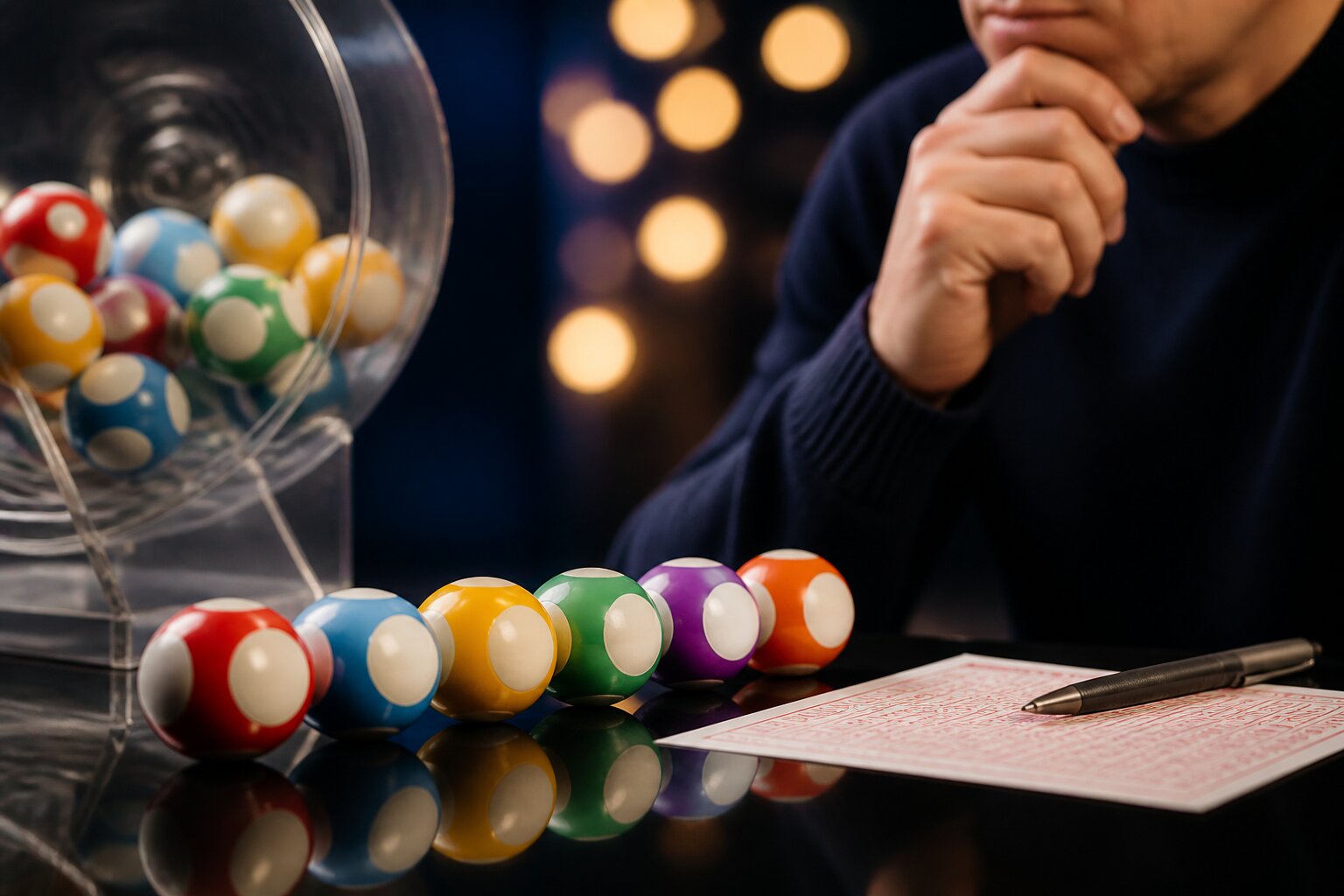
Ever wondered if there’s more to picking your lottery numbers than a quick choice at the counter? Each week millions of players choose numbers, and some combinations turn up repeatedly. That doesn’t change how draws work, but it can affect what happens if you win.
In this post we’ll examine which numbers are chosen most often, why they’re popular, and whether choosing less-common numbers makes any practical difference to your payout.
Why Do People Choose Certain Lottery Numbers?
People pick certain numbers for familiar, personal reasons. Birthdays and anniversaries are a major factor, which is why numbers from 1 to 31 appear on many tickets. That explains a persistent bias towards lower numbers.
Personal favourites, cultural preferences and memorable patterns also guide choices. Some cultures favour particular numerals and many players select simple formations on the playslip because they are easy to recall. These tendencies create predictable clusters of choices across many tickets.
It’s helpful to remember here that these habits affect only what people play, not what the draw produces. Each draw treats every number equally, so the appeal of a number among players doesn’t change its chance of being selected.
What Are the Most Commonly Picked Lottery Numbers?
Studies and ticket analyses repeatedly show a handful of numbers being chosen more often. Middle single-digit and low double-digit numbers, such as 7, 11, 17 and 19, frequently appear because they are easy to remember or have cultural significance. Many players favour these numbers for religious, historical or personal reasons.
Date-based selections mean numbers above 31 are generally less common, since most people pick birthdays and anniversaries. Simple sequential lines and repeating digits also feature on many tickets. People tend to choose numbers that look neat, form a pattern on the play slip or carry a clear personal meaning.
These observations are useful for understanding player behaviour, not for predicting outcomes. They do not imply any advantage in the draw itself but they do highlight which combinations are likely to be shared by multiple players, which can affect how a prize is split if those numbers win.
Remember that every number has the same mathematical chance of being drawn. If you choose to play, do so sensibly and within your limits.
Are Popular Lottery Numbers More Likely to Be Shared in a Win?
Yes. If a widely chosen combination is drawn, more winners typically share the prize. The total prize pool is divided among all matching tickets, so the portion any one person receives can be smaller when many people have identical lines.
This does not change the odds of matching the numbers; each ticket has the same mathematical chance. What does change is the likely size of the payout when a popular set is drawn, because the winnings are split among all successful ticket-holders.
If you are concerned about sharing a prize, note the practical effects of your number choice:
- Choosing numbers that others favour increases the probability of splitting a prize.
- Choosing less-common or random numbers reduces the particular risk of having to share a win, though it does not improve the chance of winning.
Always remember that lotteries are games of chance and outcomes are unpredictable. Play responsibly and within your means.
Should You Avoid Popular Numbers When Playing the Lottery?
Some players try to avoid common picks to reduce the chance of sharing a prize. That approach does not alter the probability of matching the drawn numbers, but it can influence the expected share of any prize.
People pick numbers for different reasons. Some enjoy choosing numbers with sentimental value, such as birthdays or anniversaries. Others prefer selecting higher numbers or using random or computer-generated selections to lower the chance of duplicates. Both approaches are valid so long as play stays within personal limits and is treated as entertainment rather than an investment.
There are also common patterns many people use, which can lead to more duplicated tickets:
- Birthdays and other meaningful dates, which concentrate picks in the 1 to 31 range.
- Simple sequences or repeated numbers, which are easy to remember and therefore often reused.
- Popular "lucky" numbers or culturally significant choices.
Choosing less-popular numbers is essentially a form of risk management: it may reduce the chance of sharing a prize, but it cannot increase the inherent chance of winning.
Does Avoiding Common Numbers Improve Your Odds of a Bigger Prize?
Picking less-popular numbers may raise the likely prize you take home if you win, simply because fewer winners would share the pot. However, it does not change the underlying odds of winning the draw itself.
There is no certainty that unique choices will not also be picked by others, so this is a decision about potential prize division rather than a strategy to increase winning probability. Ultimately, whether to avoid popular numbers comes down to personal preference and how you balance the small chance of a larger sole prize against the same chance of winning overall.
Do Number Patterns Affect Lottery Wins?
Many tickets display clear patterns: straight lines, diagonals, or consecutive sequences. These are memorable and visually satisfying, which explains their popularity.
Common pattern types include:
- Straight horizontal or vertical lines across the play grid.
- Diagonal lines that sweep from one corner to another.
- Clusters of consecutive numbers that form short runs.
Patterns do not influence draw results. Each number is drawn independently, so a patterned ticket has the same mathematical chance as a randomly scattered selection. Choosing a pattern is a personal preference rather than a tactical advantage.
If you want to reduce the chance of sharing a prize, avoiding commonly chosen patterns can be a reasonable tactic. Equally, some players prefer patterns because they find them easier to remember or simply more fun. Whichever approach you choose, pick in the way that makes the experience most enjoyable for you.
Common Myths About 'Lucky' or Popular Numbers
Ideas about “lucky” numbers or numbers being “due” are widespread, but they rest on a misunderstanding of how draws work. Each draw is an independent event and past results do not change future probabilities. Treating previous outcomes as if they influence the next draw is a common error.
Beliefs in streaks or in “hot” and “cold” numbers are psychologically persuasive, yet they are not supported by the mechanics of the draw. These notions can affect how people play, for example:
- they can make the game feel more exciting or meaningful,
- they can encourage players to stick with certain numbers or switch frequently,
- they can lead people to believe they have a better chance when they do not.
Keeping a clear view of what the draw actually does helps avoid chasing false patterns or investing more than intended. If you choose to play, do so for entertainment and within limits you can afford, and be aware that no pattern or system changes the underlying odds.
How to Make Informed Choices When Picking Lottery Numbers
Practical choices come down to a few straightforward points. If you prefer numbers with personal meaning, such as birthdays or anniversaries, there is nothing wrong with continuing to use them. Many players find this makes the experience more enjoyable.
If you want to reduce the chance of sharing a prize, or to cover a wider spread of possibilities, consider one of the following:
- Include higher numbers that are less commonly chosen for dates.
- Use a random mix to avoid popular patterns or sequences.
- Try a machine pick or a good-quality random number generator to spread your selection across the available range.
Using a random selection method can help avoid clustering numbers and may lower the likelihood of having to split a prize with other players who chose similar combinations. Remember that randomness does not increase your chance of winning overall, but it can change the distribution of number combinations you hold.
Most importantly, set a budget and stick to it. Treat tickets as a form of entertainment and not as an investment or a way to solve financial problems. Decide in advance how much you will spend, do not chase losses, and avoid spending money you need for bills or essentials.
If gambling ever feels less enjoyable or becomes a problem, seek help and use available support services. Keeping decisions sensible and the activity enjoyable is the safest approach.
Conclusion: Does Avoiding Popular Numbers Make a Difference?
Choosing less-common numbers won’t improve your chance of matching the draw, but it can affect how a prize is split if you do win. Whether you pick sentimental dates, visual patterns, or a random set, the key is to play within your means and keep expectations realistic.
Play in a way that feels right for you, manage your spending, and enjoy the occasional thrill of taking part.
**The information provided in this blog is intended for educational purposes and should not be construed as betting advice or a guarantee of success. Always gamble responsibly.