
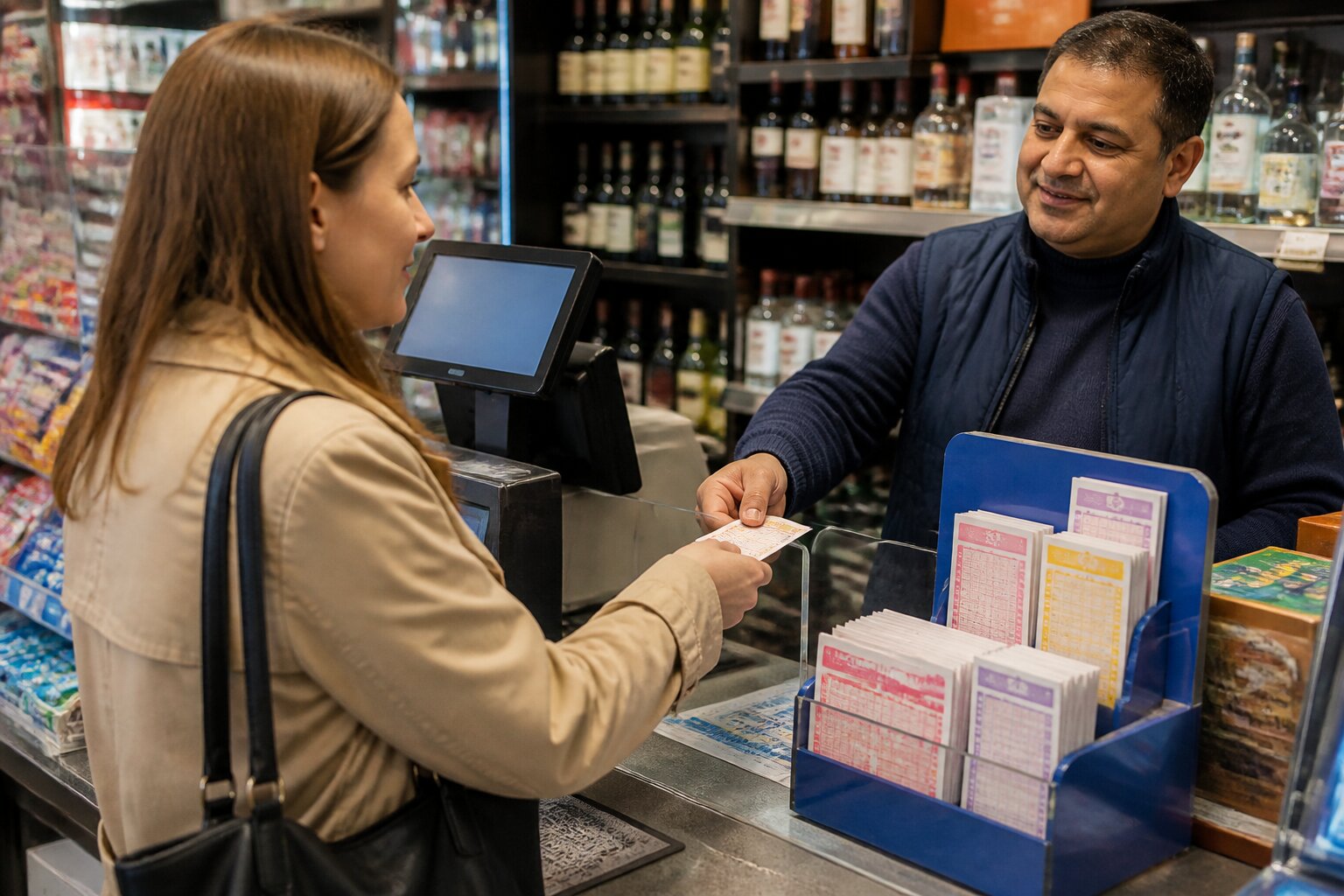
Thinking about picking up a lottery ticket with your morning paper or on your way home? You’re not alone; playing the lottery in person remains a familiar habit for many across the UK.
With more people buying tickets online, you might wonder whether the high street still sells paper tickets, where to go, and what to expect in store. This guide covers availability, payment options, identification checks, and the claims process so you can plan your visit with confidence.
Read on for clear, practical information that keeps things simple and helps you move smoothly from buying to checking results.
Where Can You Purchase Lottery Tickets on the High Street?
Lottery tickets are sold in many places on the high street. Common outlets include local newsagents, supermarket chains and convenience stores. You will also see lottery terminals in some petrol stations, corner shops and selected off-licences.
Staff are trained to check ID and will refuse sales to anyone under 18, as required by law. Signs about the age limit are frequently displayed, and you can expect to be asked for proof of age if you look younger. If a nearby shop does not stock tickets, a short ride or walk will often take you to a participating retailer.
If you want to know where the nearest outlet is, the next section explains what to expect when you visit so you can decide whether a high-street trip suits you.
How the In-Store Lottery Process Works
At the counter you will tell staff which draw you want, for example Lotto, EuroMillions or a Lucky Dip for randomly generated numbers. The staff will process your playslip via the terminal and give you a printed ticket or sell you a scratchcard.
Payments are handled at the till, according to the shop’s normal methods. Always check your ticket before you leave to ensure the details are correct and sign the back so it is clearly yours. Keep it safe, because you will need the ticket to claim any prize.
Knowing how the ticket is issued also helps with choosing between a paper ticket and an online option, which is covered next.
Physical vs Online Lottery Tickets: What Are the Differences?
A physical ticket means visiting a shop, selecting numbers or a scratchcard and receiving a printed slip that you must retain. Results are then checked by returning to a shop, looking online or watching the draw.
Buying online involves using an official website or app, selecting numbers and paying securely, with confirmation stored in your account. Winnings are often credited directly to that account, which removes the need to safeguard a paper ticket and can make claiming straightforward.
Both formats require customers to be over 18 and operate under the same regulatory standards. Online accounts can offer tools to set spending limits and monitor activity, while physical tickets keep the interaction face to face. Each method has practical benefits depending on how you prefer to play. Ahead is what you need to bring if asked to confirm your age in store.
What Identification or Documentation Is Needed?
Retailers must verify the age of anyone buying tickets in person. If you appear under 25, you will normally be asked for photographic ID at the till.
Acceptable forms of ID include a passport, driving licence or an official PASS-accredited card. These must show your date of birth and a recognisable photograph.
No additional paperwork is required for standard ticket purchases, but significant prize claims will usually require ID again to confirm you are the ticket holder. Having a valid photo document with you avoids delays at the point of sale.
With ID covered, the next section explains how you can pay when buying tickets in shops.
Payment Options for Buying Lottery Tickets in Shops
When buying lottery tickets in-store, a variety of payment methods are usually available. Retailers must ensure purchases are made by customers aged 18 or over, and staff will carry out checks where necessary to make sure sales comply with legal and licence conditions.
Cash and Card Payments
Most shops accept both cash and debit card payments for tickets and scratchcards. Some smaller retailers operate cash-only, while larger supermarkets and high-street chains accept contactless and chip-and-PIN. Contactless limits that apply to other retail purchases may also apply to lottery transactions, so you may be asked to use chip-and-PIN if the amount exceeds the local contactless limit.
Credit cards are not generally accepted for lottery purchases, in line with gambling regulations that restrict use of credit to fund gambling. Retail staff are trained to follow these rules and to refuse transactions where a payment method would be inappropriate.
Age Restrictions and Proof Requirements
Payment method does not change the age requirement. Staff will request valid photo ID if you appear under 25, and failure to provide acceptable identification will result in refusal of the sale. This helps keep sales compliant and protects customers.
Retailers may also refuse a sale if they have reasonable grounds for concern about underage play or other regulatory issues. Having your preferred payment ready makes the transaction quick and lets you focus on selecting numbers or scratchcards.
Can You Claim Winnings in Store?
Smaller wins can normally be claimed at the shop where you bought the ticket or at another authorised retailer. Many local stores pay out modest prizes, and some supermarkets will pay larger amounts depending on till cash availability.
For prizes above a certain threshold retailers may direct you to telephone the claims helpline or visit a designated post office or claims centre. Large prizes require verification and are usually paid by cheque or bank transfer after the necessary checks are completed.
Always sign the back of your ticket and keep it safe. Check the published claim deadlines for each game so you do not miss out on collecting winnings.
If you want to know whether every shop sells tickets, the next section clarifies retailer participation.
Retailer Availability: Are All Shops Selling Lottery Tickets?
Not every shop on the high street offers lottery sales. Only authorised retailers can sell lottery products and they must meet licensing and compliance requirements, including age verification and other protections designed to keep sales safe and lawful.
You will commonly find terminals in newsagents, supermarkets and some petrol stations, but many independent or specialist shops do not participate. Availability often depends on whether the retailer has applied for and maintained a licence, and whether they can meet the equipment and training obligations required to sell tickets.
Store signage usually indicates whether tickets are available, and staff will generally be able to confirm if they sell tickets and the hours during which sales operate. Hours can vary from one outlet to another, so a shop that sells tickets during the day may not do so late at night.
Retailer participation is reviewed regularly to maintain safe and compliant sales across outlets, so availability can vary by neighbourhood. Factors such as technical faults, temporary stock issues, or changes to a retailer’s licence can also affect whether tickets are being sold at any given time.
After purchases, occasional problems can arise; the following section outlines common issues and practical responses. If you experience a problem with a retailer, it is sensible to keep your receipt and contact the lottery operator’s customer services or use the official retailer locator on their website for up-to-date information.
Common Issues When Buying Lottery Tickets in Person
A frequent issue at the counter is being asked for ID. If acceptable identification cannot be provided, the sale will be refused even if the customer is of age. Shops may also run out of specific games or scratchcards, particularly near popular draw dates.
Technical faults with the terminal or till can temporarily stop sales until the fault is fixed. Staff may also refuse a sale if they have concerns about excessive play, following training and procedures designed to protect customers.
If you encounter any of these problems, shop staff can usually advise on nearby outlets or on how to proceed with a claim if you have already purchased a winning ticket.
Summary of Retail Lottery Purchase Options
Buying lottery tickets in shops remains a straightforward option for many people. Authorised high-street retailers such as newsagents, supermarkets and petrol stations continue to sell paper tickets and scratchcards, subject to licensing and regulation.
You must be at least 18 and carry valid photographic ID if requested. Cash and debit card payments are commonly accepted, while credit cards are not used for lottery purchases. Small prizes can be claimed at retail outlets, with larger wins handled through formal claims channels.
Sales and claims are managed to meet regulatory standards and to protect customers. With the basics covered, you can choose the purchase method that suits you and visit an outlet with confidence.
**The information provided in this blog is intended for educational purposes and should not be construed as betting advice or a guarantee of success. Always gamble responsibly.