
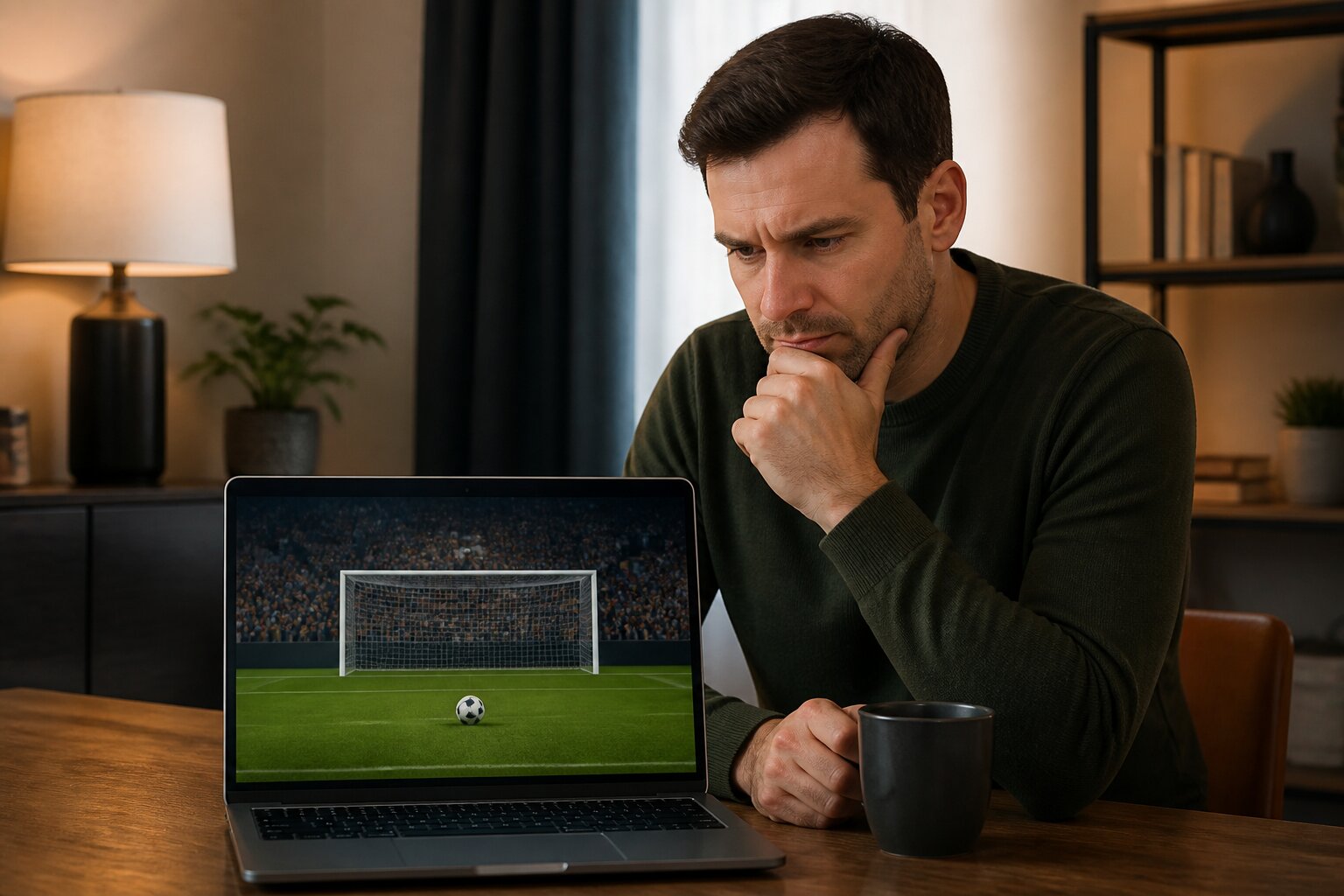
Ever caught yourself wondering if there’s a sneaky shortcut to winning BOTB’s Spot the Ball competition? You’re definitely not alone. It’s a hot topic with myths and so-called “cheats” popping up all over the internet.
Every week thousands of hopefuls dream of driving away in a brand-new car, often asking if there’s a secret to getting that winning spot. From “sure-fire strategies” to digital tricks, the rumours just keep coming.
Before putting faith or money into any quick-win claims, it helps to know how the competition actually works. In this article we separate fact from fiction so you can decide for yourself whether any shortcuts are real.
Understanding How BOTB Spot the Ball Works
BOTB’s Spot the Ball competition is based on skill within a framework designed for fairness and openness. Each week a new football photograph is shown with the ball removed, and entrants mark where they think the centre of the ball should be.
A panel of independent judges, typically experienced professionals such as former players and referees, each pick a point on the image. Those individual choices are combined by calculating the average coordinate, which becomes the official winning position. The entry closest to that point wins the main prize.
All judging is recorded and published so anyone can verify how the decision was reached. That transparency, together with clear rules and anti-fraud measures, is intended to make the outcome impossible to predict or influence. With the process laid out like this, it is easier to see why many supposed “cheats” do not withstand scrutiny. With that in mind, let’s look at the most common myths that circulate online.
What Are the Most Common BOTB Cheat Myths?
The prospect of a big prize naturally invites speculation and tall stories. Common claims include the idea that software can predict the judges, that judges follow repeatable patterns, or that regular players get preferential treatment. None of these ideas line up with how the competition is structured, and they often rely on misunderstandings about how judging and scoring actually work.
Because the winning spot is the average of several independent judgements and each panel changes regularly, the outcome is not something that can be reliably reproduced by a pattern or automated analysis. Judges are recruited and rotated so that any individual tendency has only a small effect on the final position. Believing otherwise can lead to wasted time, poor decisions or account penalties if rules are broken.
Read on to see the specific myths people talk about and why they are improbable. Each point reflects a common thread in chatter online, but the mechanics and oversight of the competition make these claims unlikely to be true.
Can Bots or Software Guarantee a Win?
Some assert that bots or image analysis software can locate the exact spot the judges will choose. In practice software cannot guarantee a win because the official position is determined by human judges working independently and without access to any automated prediction tool.
Even sophisticated image processing can at best identify features or common focal points, it cannot predict a panel of individual human choices. In addition, using unauthorised tools risks breaching the competition terms and may lead to account suspension or other sanctions.
Is There a Secret Pattern the Judges Follow?
People sometimes look for repeatable habits in judges’ decisions, searching for trends in past results that might be exploited. In reality each judge marks the image independently and different panels are used for each round, which prevents a reliable pattern from emerging over time.
The averaging method used to determine the winning spot further reduces the influence of any single viewpoint, meaning outlying preferences are diluted in the final result. For these reasons, attempts to identify a “signature” choice or hidden routine are unlikely to pay off.
Do Frequent Players Get Preferential Treatment?
A common rumour claims regulars or big spenders receive special consideration or that their entries are weighted more favourably. The rules and oversight in place mean every entry is judged on its own merits, regardless of who submitted it.
The system is designed so that frequency of play does not affect the outcome, and there are governance checks to ensure fairness. Any suggestion of routine preferential treatment would run counter to those controls and would be investigated if credible evidence emerged.
Is It Possible to Manipulate the BOTB Results?
Attempts to manipulate the competition are prohibited and treated very seriously. Robust security, recorded judging sessions, and anti-fraud monitoring are part of the framework that protects the integrity of the process. Systems and procedures are designed to reduce the risk of tampering, with technical measures, access controls, and audit trails that record activity for later review.
Breaching the terms, attempting to interfere with judging, or using illicit means to obtain an advantage can result in disqualification, loss of prizes, and potential legal consequences. Staff are trained to spot irregularities and there are clear reporting routes for suspected fraud. Where appropriate, external specialists and auditors may be engaged to investigate concerns impartially.
This strict stance is intended to safeguard every player and the value of the competition. Transparency in how results are verified, together with monitoring and independent checks, helps maintain confidence in the outcome. Understanding these protections helps explain why manipulation is not a feasible route to winning, and next we’ll examine how fairness is actively maintained.
How Does BOTB Ensure Fairness?
Fairness is delivered through a combination of independent judging, recorded transparency, regulatory compliance, and technical safeguards. Judges are drawn from relevant football backgrounds and their individual selections are combined mathematically, so no single person decides the outcome. The use of multiple judges and a defined aggregation method helps reduce personal bias and makes the decision process repeatable.
Published recordings of judging give anyone the chance to review how decisions were reached, and these recordings are retained so they can be checked after the event. Security systems monitor entries and activity to detect suspicious patterns and prevent abuse, with logs kept to support any subsequent investigation.
The competition operates under regulatory standards that require clear procedures, fair terms, and player protections. Independent oversight and internal audits are used to check compliance with those standards, and there are established channels for raising and resolving disputes. Together these measures aim to make the contest open and verifiable for all entrants, providing reassurance that outcomes are not manipulated.
Why Do People Believe in Cheat Myths?
Stories about shortcuts spread easily because the prize is attractive and humans look for patterns even when none exist. Online forums and social media amplify anecdotes, and confirmation bias means people are more likely to notice cases that seem to support a theory while ignoring contradictory evidence.
Emotional factors, such as frustration after a near miss, can also make myths feel more plausible. People remember dramatic or upsetting experiences more vividly, which gives those stories disproportionate weight compared with routine, uneventful entries. Social proof plays a part too: if others talk about a trick, it starts to seem legitimate even without reliable evidence.
Recognising these psychological drivers helps explain why rumours persist despite strong safeguards. Understanding that our minds favour simple narratives over complex realities makes it easier to dismiss implausible claims and focus on what actually works. With that in mind, it is worth turning to what genuinely helps when entering the competition.
What Does It Really Take to Win BOTB Spot the Ball?
Winning requires careful observation and an informed judgement about the image. Factors such as players’ posture, head direction, and positioning on the pitch can inform a reasoned choice. Experience with the game’s typical images may improve accuracy, but outcomes remain uncertain because a panel of experts ultimately determines the winning point.
Treating entries as a form of entertainment and keeping stakes within personal limits helps maintain a healthy approach. Setting limits on spending and taking regular breaks are practical ways to stay in control while participating. With a realistic mindset and clear boundaries, entering can remain enjoyable whether or not a win is achieved.
Final Thoughts on BOTB Spot the Ball Myths
The myths about cheating the competition do not hold up when compared with the facts: independent judging, recorded transparency, technical safeguards, and regulatory standards all work to preserve fairness. Searching for shortcuts can lead to disappointment and possible rule breaches, so a measured approach focused on skillful observation and sensible limits is the sound choice.
Play thoughtfully, respect the rules, and enjoy the competition for what it is. This keeps the experience positive for everyone involved and upholds the integrity of the prize.
**The information provided in this blog is intended for educational purposes and should not be construed as betting advice or a guarantee of success. Always gamble responsibly.